Water quality has a direct impact on the reliability and lifespan of high pressure pump systems. The water moving through the pump is not just the medium used to create pressure. It also plays an important role in how internal components operate and how well they last over time.
High pressure pumps contain parts that operate with extremely small tolerances. Plungers, valves and sealing components are all designed to handle very high loads. When particles or abrasive material are present in the water supply, those contaminants pass through the pump and begin to wear these components. Over time this can lead to scoring of surfaces, loss of pressure, leakage and unnecessary downtime.
The chemical properties of the water also matter. Elements such as chlorides, dissolved oxygen and unsuitable pH levels can accelerate corrosion inside the pump. Corrosion weakens metal components and can release additional debris into the system, which further increases wear.
Electrical conductivity is another factor that must be considered, especially in systems that use tungsten carbide sealing surfaces. Tungsten carbide is commonly used because it is extremely hard and resistant to wear. However, when water conductivity is high and different metals are present in the pump assembly, electrochemical reactions can occur between materials. This can damage sealing faces over time and reduce their effectiveness.
Extremely pure water can also create problems. Water with very low conductivity may become chemically aggressive and begin to draw metallic ions from certain materials. For this reason it is important that water quality sits within a suitable range rather than at either extreme.
Consistent water conditions are also important for the lubrication that occurs between seal faces. High pressure pumps rely on a very thin film of water between sealing surfaces to reduce friction and heat. If the properties of the water change, that lubrication film can be affected, increasing the risk of seal damage.
For these reasons, controlling water quality should be considered part of normal pump operation. Good filtration, monitoring of water properties and regular maintenance all help protect internal components and extend equipment life.
Hammelmann pumps include conductivity monitoring to help operators keep track of water quality. Installing a pre filter ahead of the pump filter is also recommended. This removes larger particles before they reach the system and helps protect the finer filtration at the pump inlet.
Maintaining stable inlet pressure is equally important. Water supply pressure should remain above 2 bar to ensure the pump operates correctly and to prevent cavitation. Filters should be inspected and replaced regularly, particularly if the pressure drop across the filter begins to increase.
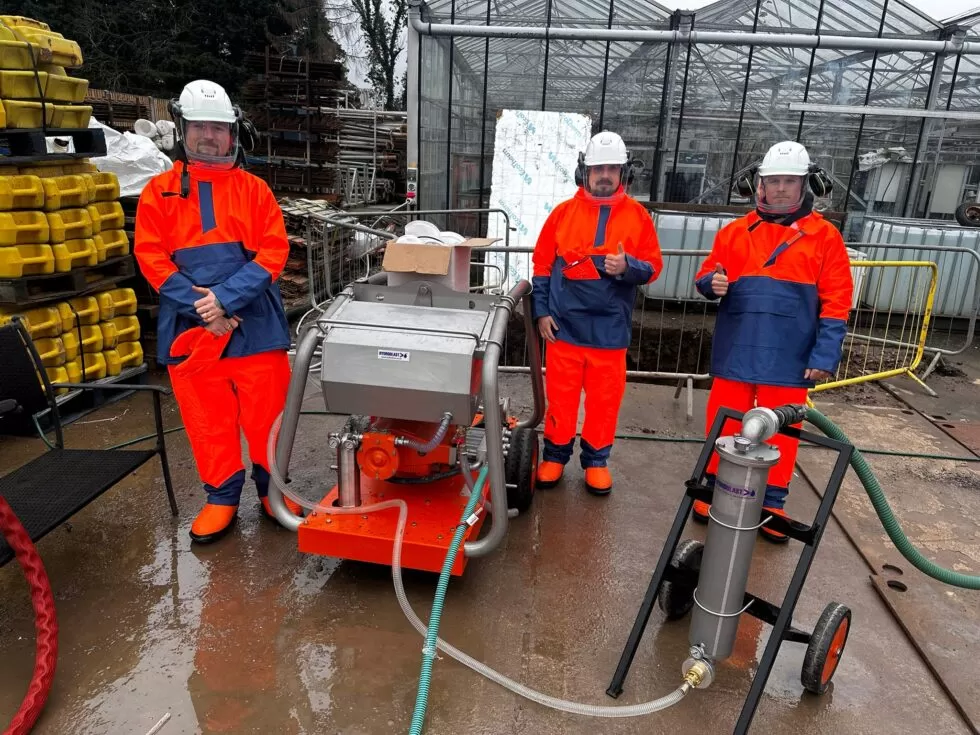
For this reason, Hydroblast always encourages pre-filtering water before it reaches the pump. This applies whether equipment is purchased, rented, portable electric units or larger towable systems.
At Hydroblast we typically pre-filter water down to 1 micron before it reaches the machine’s own filter. This can be achieved using cartridge filtration or secondary bag filtration depending on the required micron level and application.
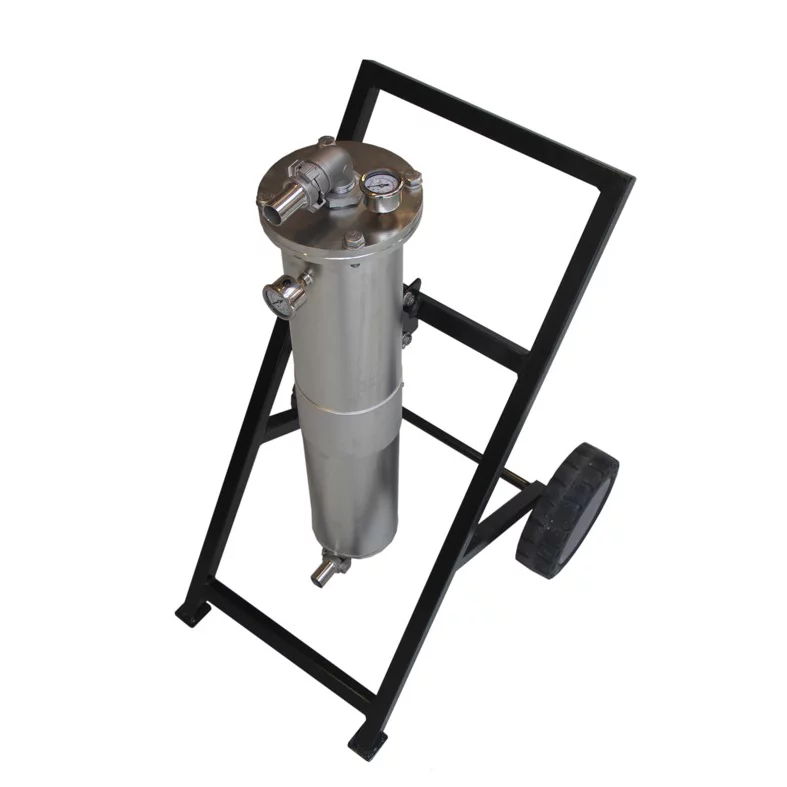
Hydroblast offers a range of filtration solutions designed specifically for high-pressure water jetting systems, including a stand-alone filter trolley and bag filter system as well as 1 micron bag filters for finer filtration requirements.