The Safety Awareness Course is a mandatory one-day, classroom-based programme covering the fundamentals of safe water jetting practice, including jetting methods, pressure and flow rates, risk assessment and appropriate PPE. The course concludes with a short assessment, and successful candidates receive a Safety Awareness photocard along with digital access via the official app. Certification is valid for three years and is required to maintain all other water jetting qualifications.
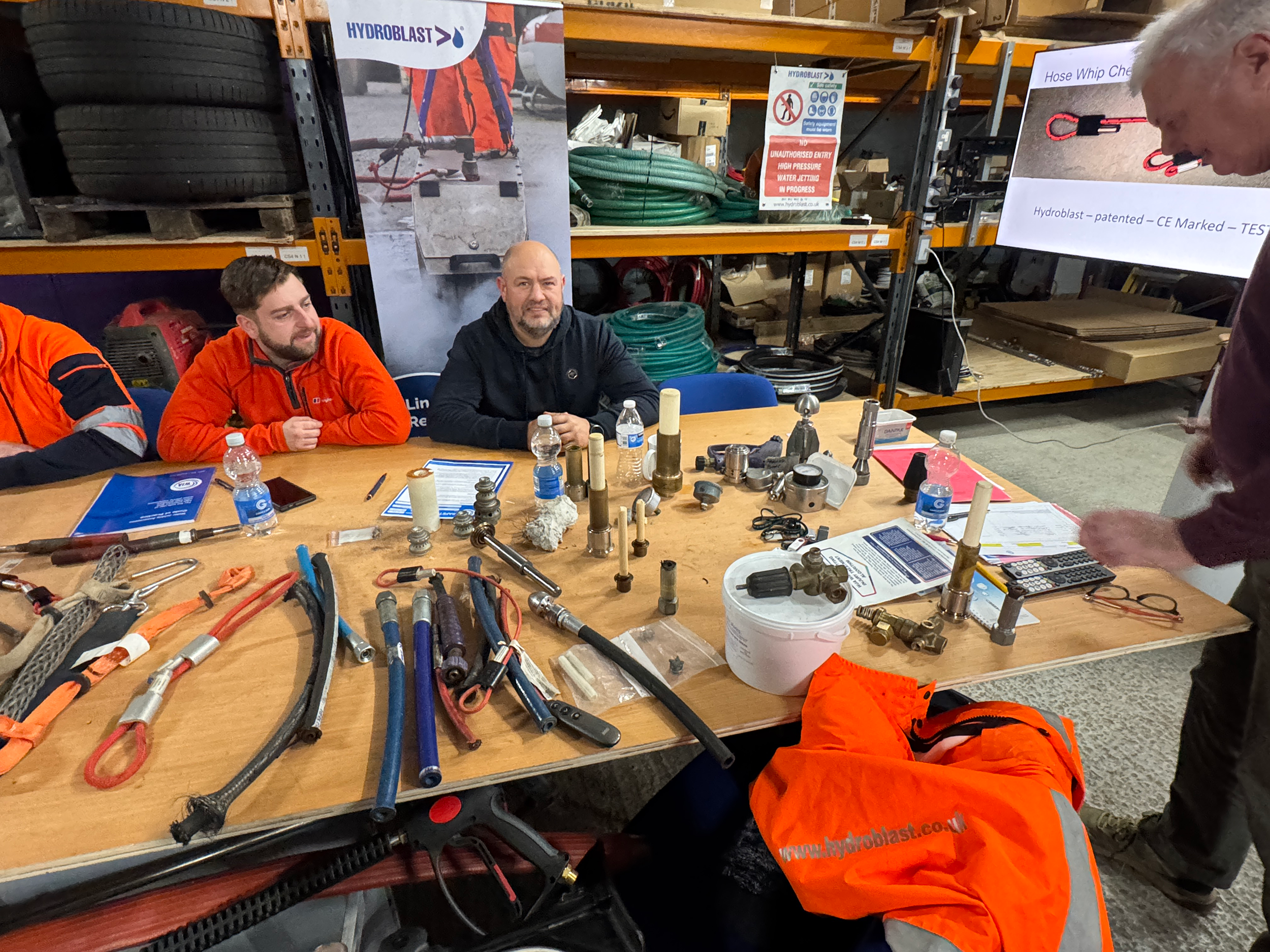
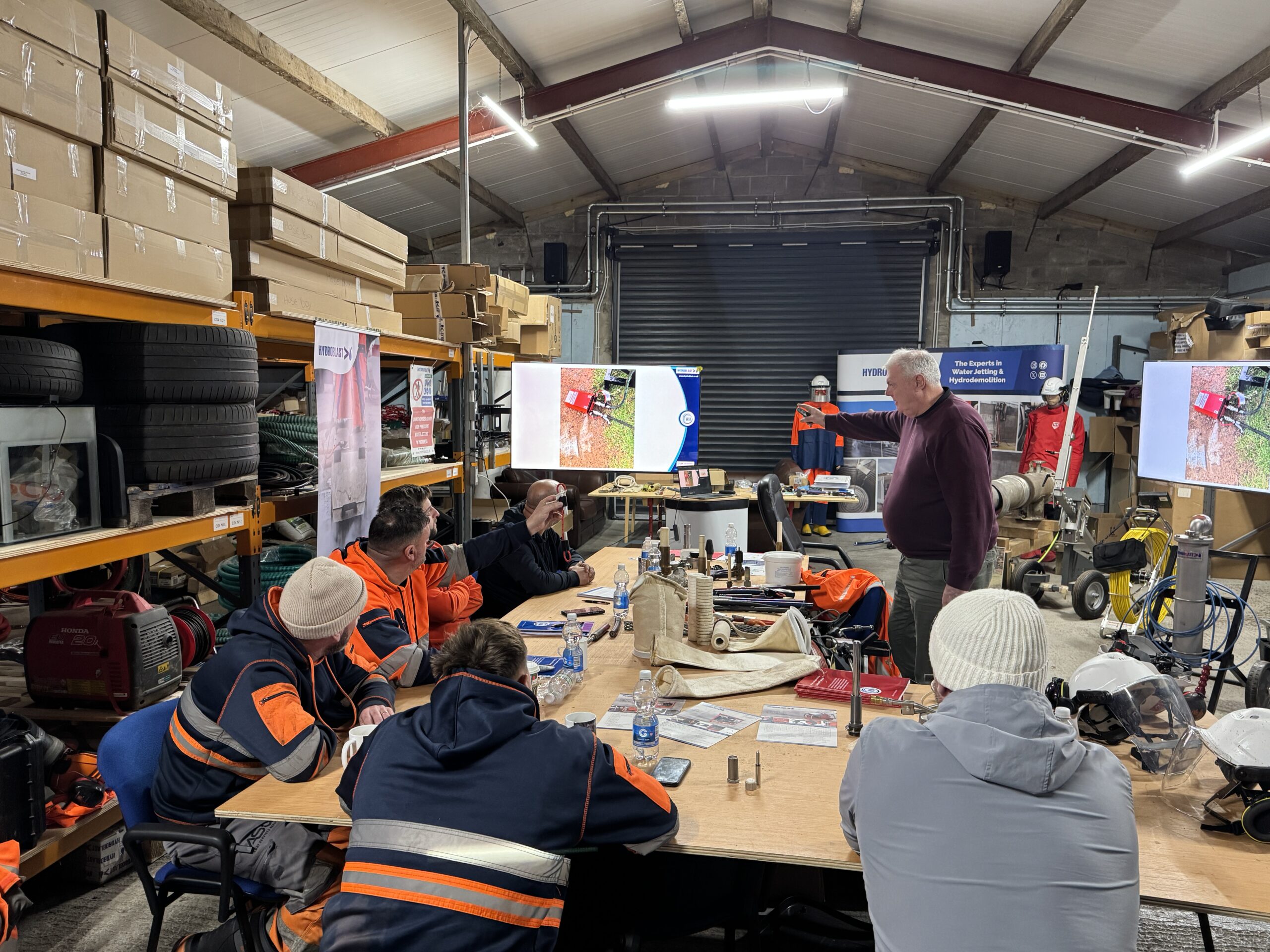
This course is designed for anyone working in, or entering, the water jetting industry where an understanding of health and safety is essential. It is suitable for operatives, supervisors and managers who need to demonstrate competence and awareness of safe working practices when using high pressure and ultra-high pressure water jetting equipment.
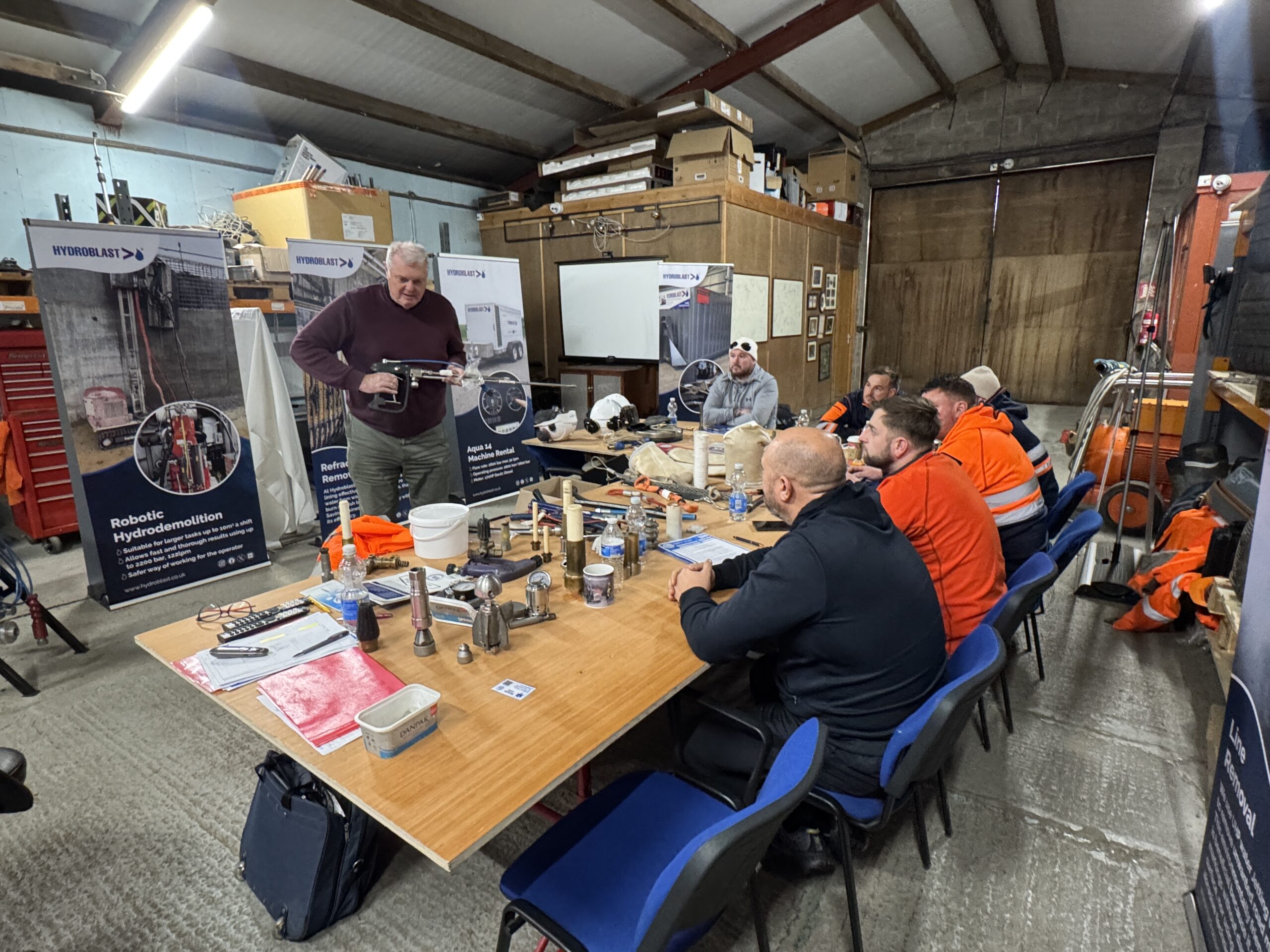
There are no prerequisites for this course. The Safety Awareness Course is an entry-level qualification and is a mandatory requirement for all other WJA training courses. A valid Safety Awareness card must be maintained to ensure all other WJA modules remain valid.
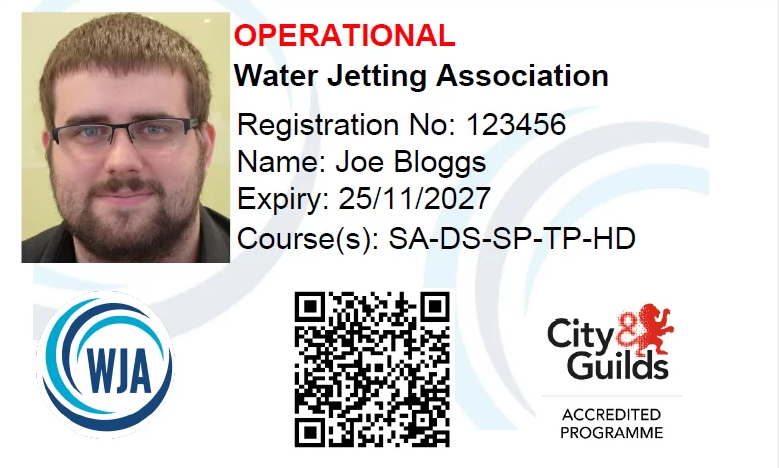
This one-day, classroom-based course provides candidates with a clear understanding of safe working practices within the water jetting industry, covering key topics such as types of water jetting, water pressure and flow rates, risk assessment, safety awareness, and the correct use of Personal Protective Equipment (PPE). The course concludes with a written assessment of 20 questions, with a pass mark of 80%, and successful candidates are issued with a WJA Safety Awareness photocard and digital access via the WJA App, valid for three years.
Upon successful completion of the WJA Safety Awareness Course, candidates are issued with a WJA Safety Awareness photocard, valid for three years, along with access to the WJA App. The photocard is issued by the Water Jetting Association (WJA), is recognised by the Health and Safety Executive (HSE), and is City & Guilds accredited. To maintain validity, the course must be retaken before the photocard expires.
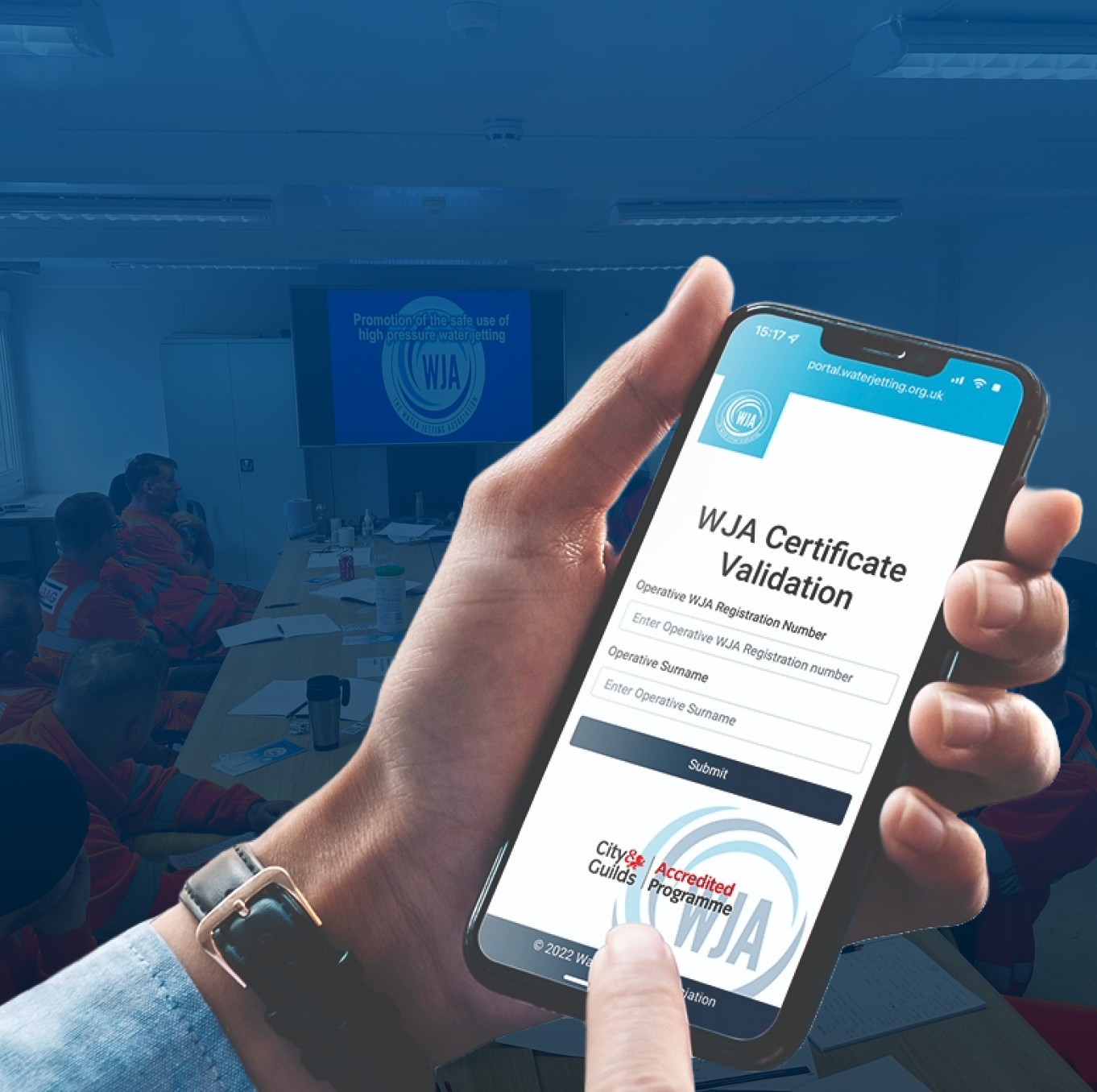
In place of a physical certificate, successful candidates receive digital access via the WJA App, allowing them to view and manage a digital version of their photo ID card. This supports the WJA’s move towards digital certification, reducing reliance on printed materials while providing a more efficient and environmentally responsible way to manage training records.


Cleaning and surface preparation – surfaces/drain and sewers/pipes/tubes. Jet cutting – precision and volume removal. Effect of varying pressure/flow at the nozzle. Range of jetting machines, configurations and categories (Pressure Washers/General Purpose/Medium-Heavy Duty/UHP/Drain and Sewer Jetters).
Health & Safety at Work Act. WJA Codes of Practice, status, use and recognition by the Health and Safety Executive (HSE). Management Regulations – Risk Assessment, Personal Protective Equipment (PPE) at Work Regulations, COSHH. Employer/Employee responsibilities. Enforcement Powers. Other relevant legislation – e.g. Environmental Protection Act, Control of Pollution Act.
Jet principles – purpose of nozzles, power of water jet, jet pressure/flow characteristics, jet reaction force. Types of nozzle – forward facing, fixed and spinning jets, multi-jet fixed & jet spinning nozzles.
Pump configuration – standard piston, plunger pump, positive displacement action, operating features, effects of blockages, variation of plunger sizes. Other pump configurations, diaphragm and intensifier types. Drive arrangements, engine/electric motor, hazardous area equipment Water supply/delivery features – filtration requirements, boost feed pumps, pulsation dampeners, jump-jet. Pressure safety relief options – relief valve/bursting disc. Pressure gauge features.
Dump and dry shut controls, fail-safe/selector versions, direct manual operation/remote operation via electric-pneumatic-hydraulic controls, automatic unloader valve for dry shut, pressure regulators, automatic off-load engine speed control systems.
Hose construction and pressure ratings, external and internal damage possibilities, hazards arising from damaged hoses, inspection requirements. Hose end fittings, construction/assembly/testing. Connectors and hose end couplings – types and features. Bore size & flow ratings. Hose for general/high flow/small bore tube and pipe cleaning. Pressure drop due to flow through hose and lances – effect on pressure available at the nozzle.
Hazards arising – directly from the water jet – from operational regime – from site environment.
Effects of impact by high pressure water jet, nature of internal injuries caused, action in event of a jetting injury -awareness of possible absence of visual injury and use of WJA Medical Card.
General principles regarding use of PPE, as a last resort. Main body protection – limits on effectiveness against direct impact of water jet. Protection of head/hands/feet/hearing/respiration. Particular requirements when using UHP.
Routine care and inspection, site preparations, preparations for operation, team operation. Safety points during operation – use of manual jetting gun/lance, tube/pipe/drain cleaning nozzle/lance/hose combinations & techniques. Safe use of non-standard equipment – e.g. tee nozzle. Site shutdown and antifreeze procedures. Use of DO/DO NOT GUIDE
Review of course content as above, with opportunity for any further discussion before Questionnaire.