Hydroblast recently completed a specialist refractory removal project, once again demonstrating the efficiency, control and safety advantages of ultra high-pressure (UHP) water jetting in demanding industrial environments.
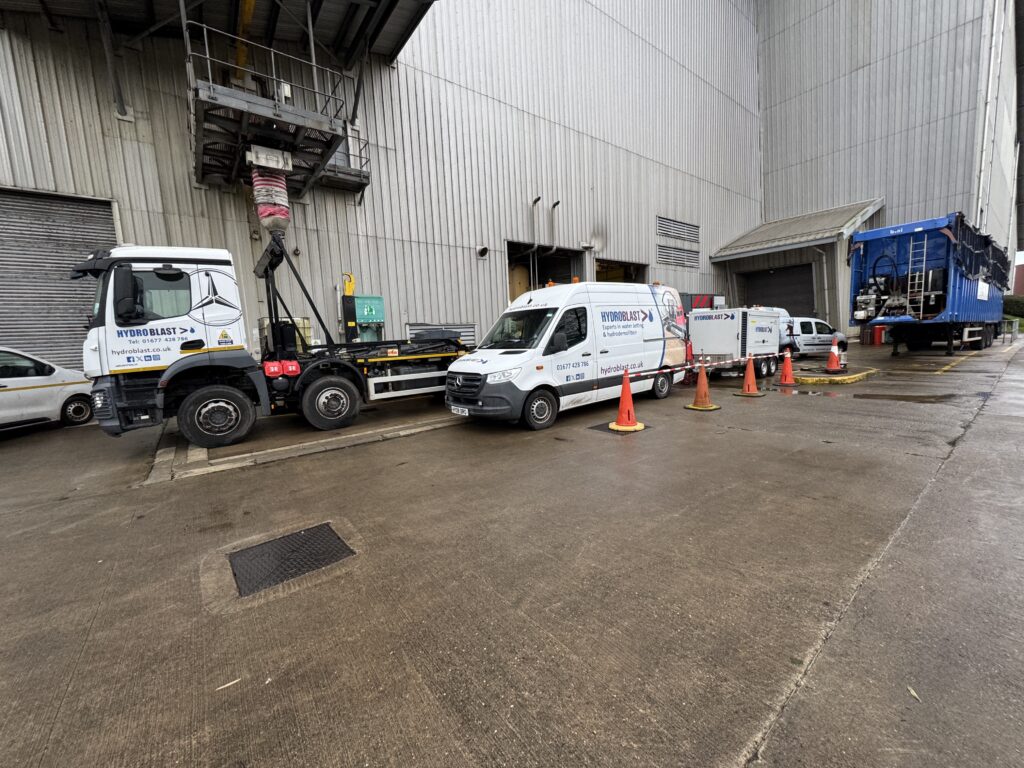
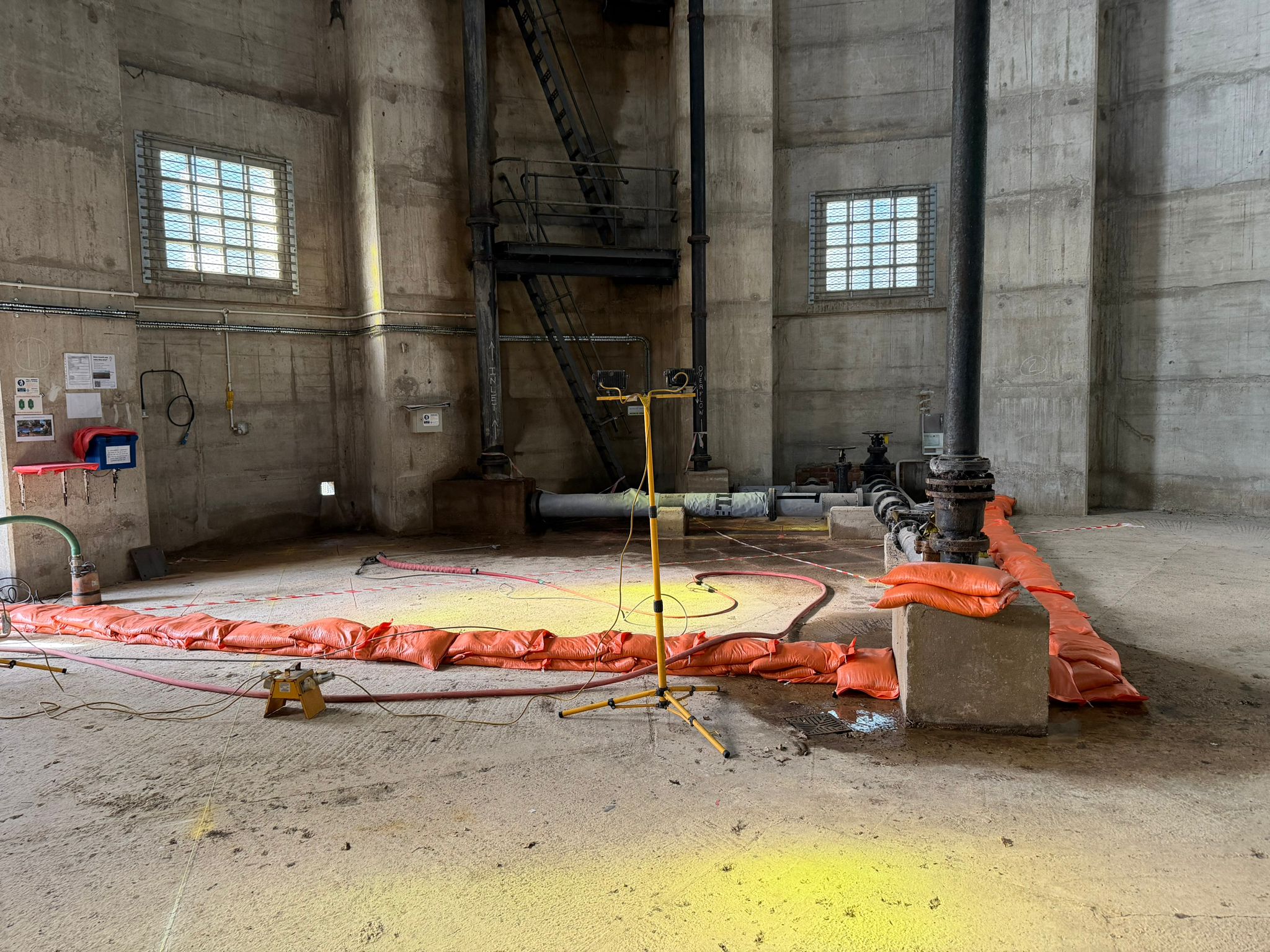
The works began with the team travelling to site on Tuesday 3rd February, followed by a full setup on Wednesday 4th. Operations commenced that same evening, with the first shift starting at 7pm. From that point, the project ran continuously through to Friday morning, ensuring minimal downtime for the client and a fast turnaround on site.
To meet the project requirements, Hydroblast deployed three dedicated jetting shifts, working around the clock. This continuous approach allowed the team to maintain momentum, reduce delays and complete the works within a tight timeframe.
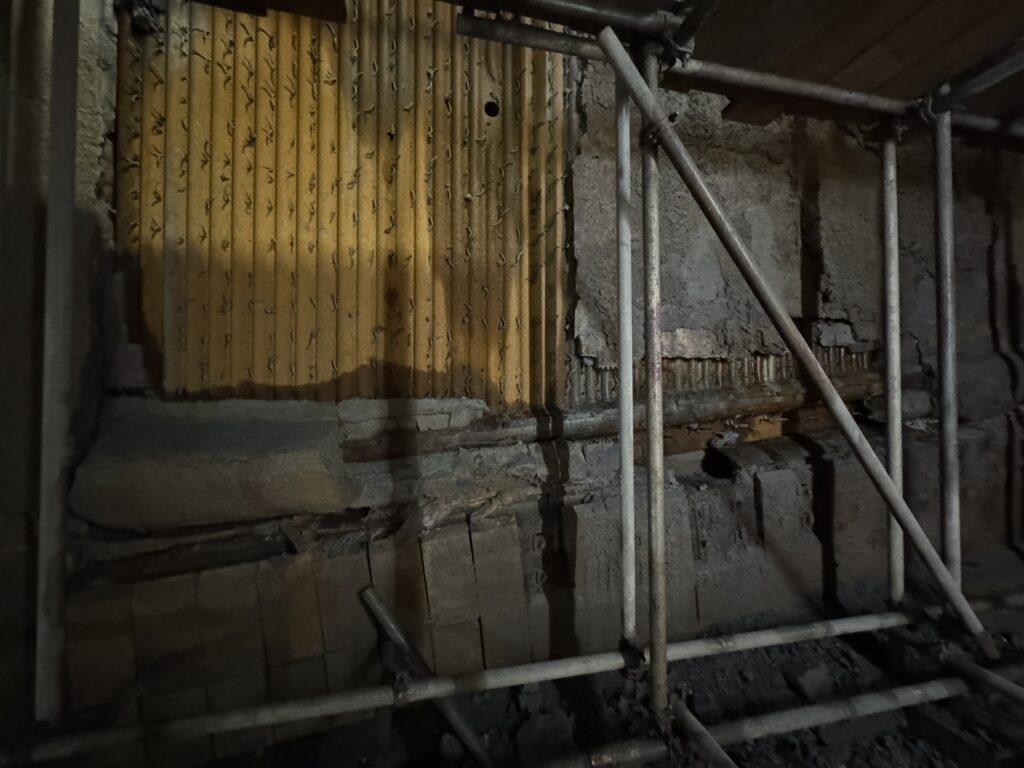
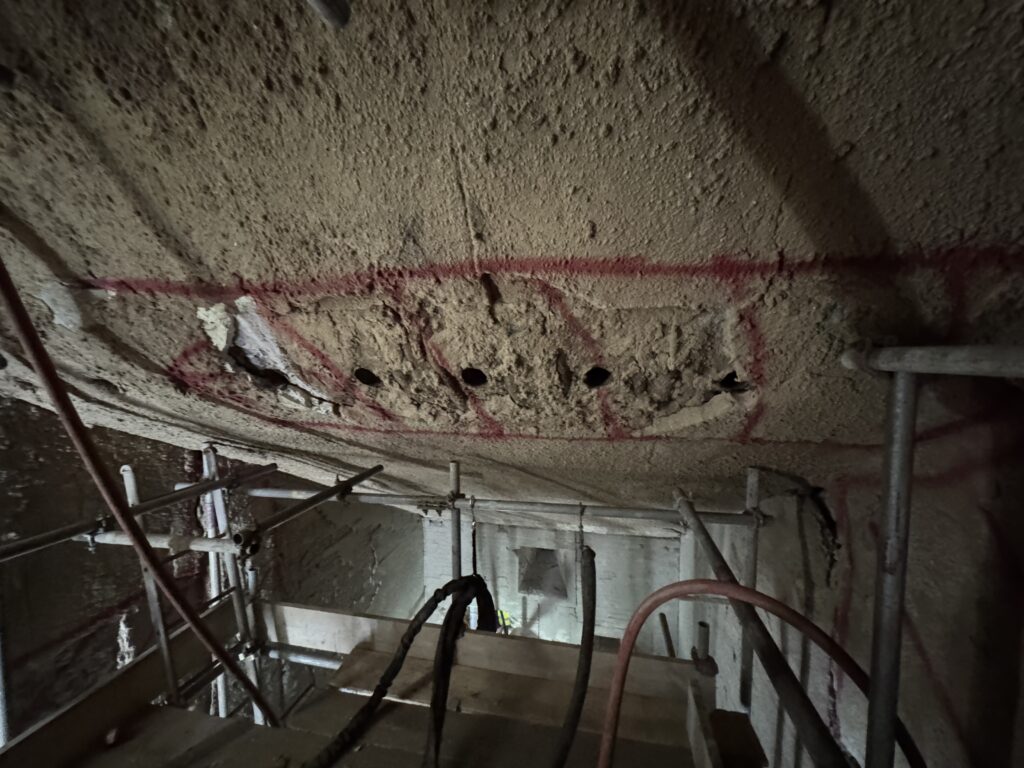
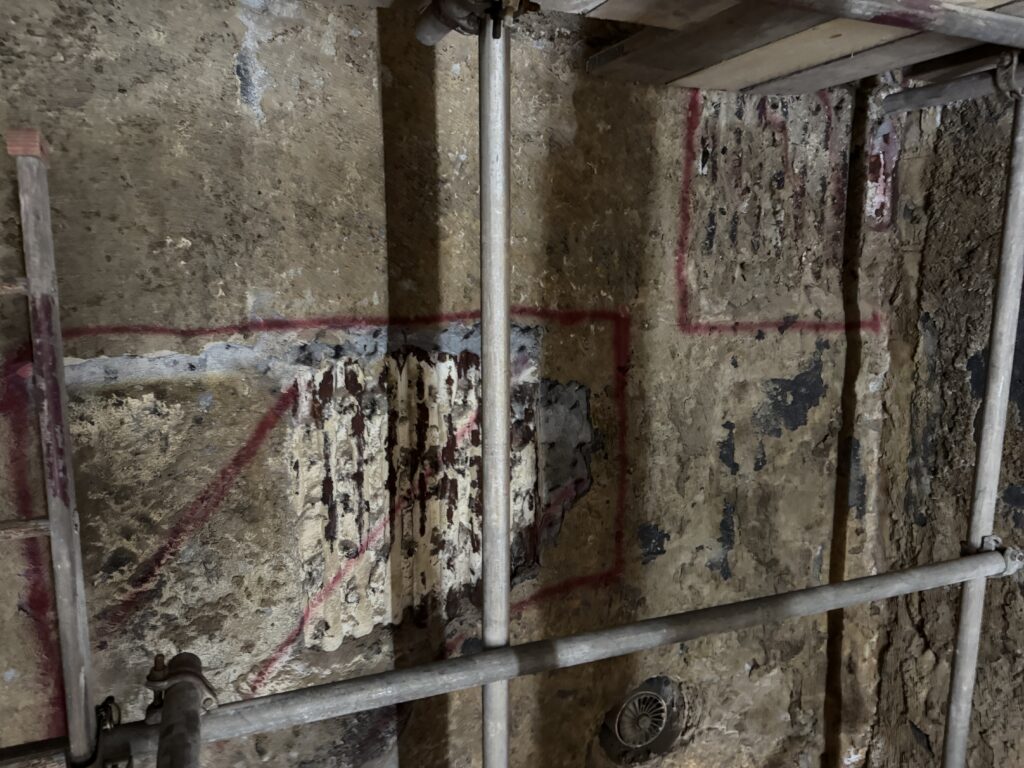
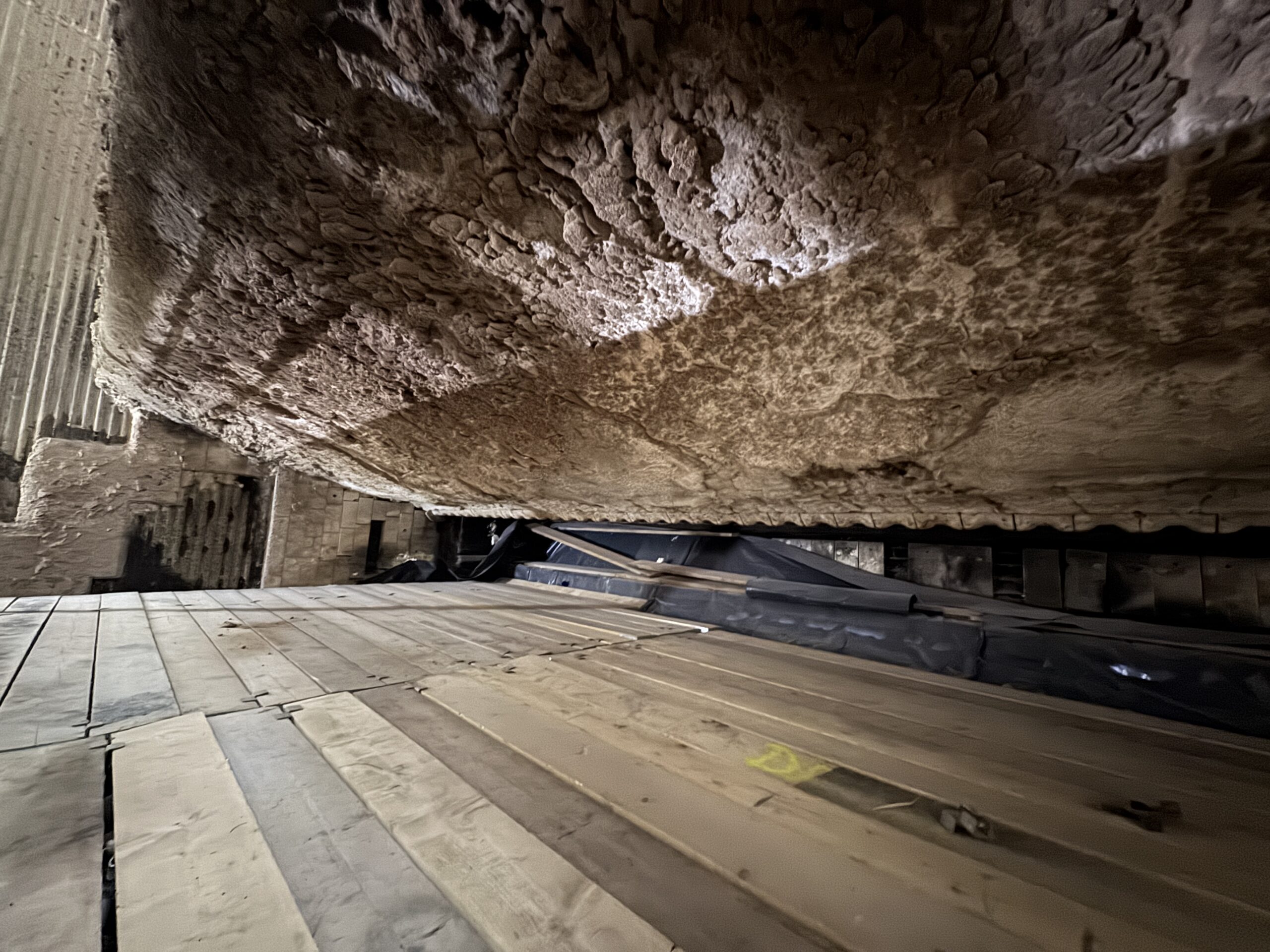
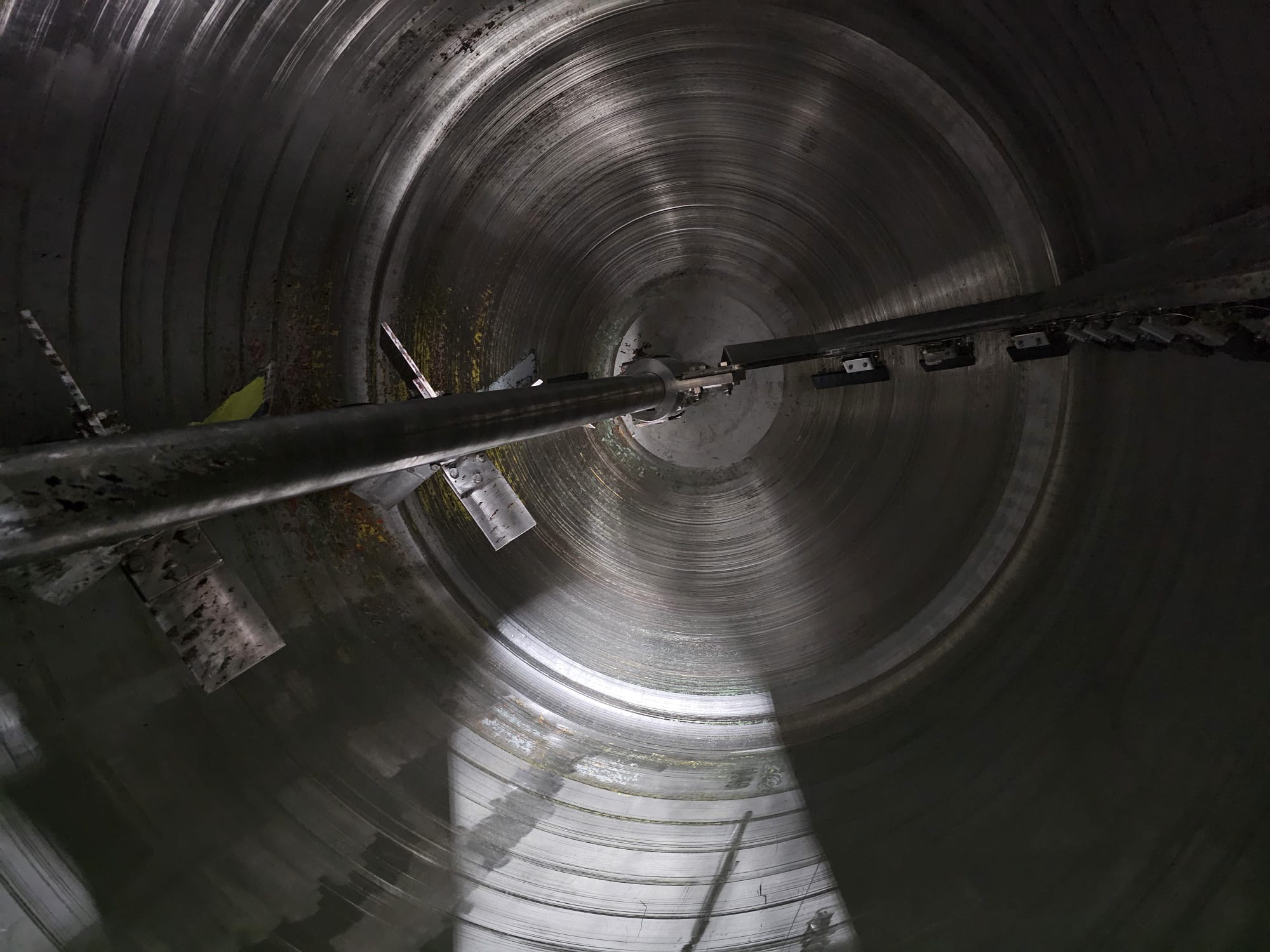
Over the course of the project, approximately 30m² of refractory material was successfully removed. With a thickness of 35mm, the material required a precise and controlled removal method to ensure the underlying structure remained fully intact.
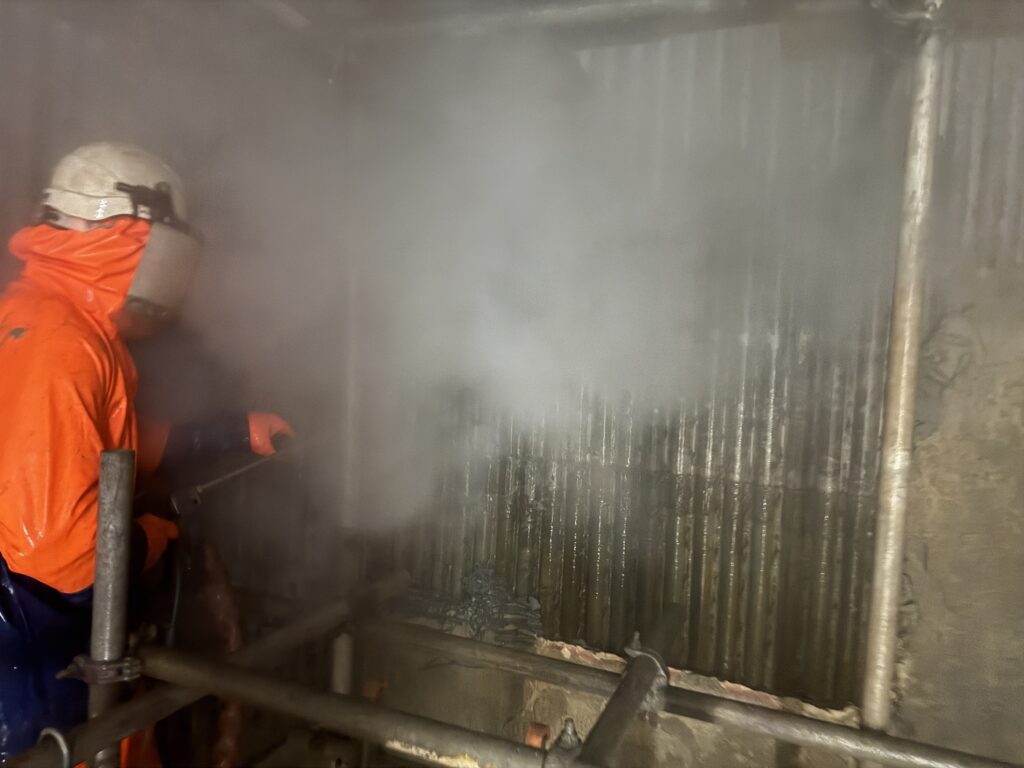
Hydroblast utilised a combination of robotic and manual water jetting techniques to deliver the best possible results.
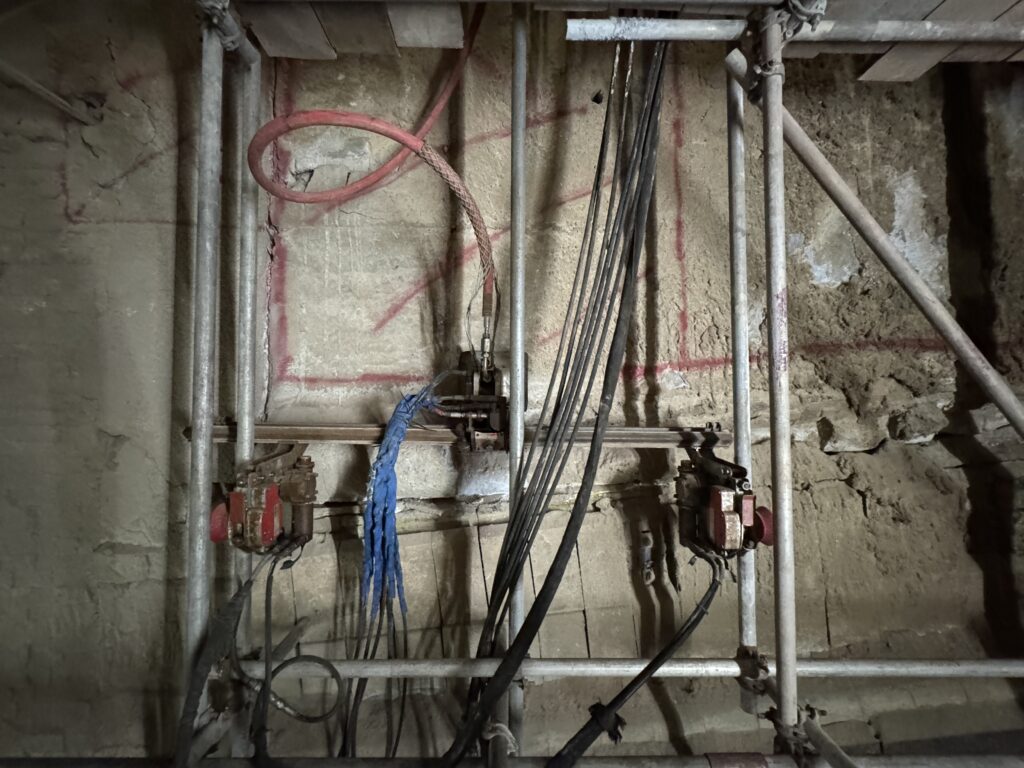
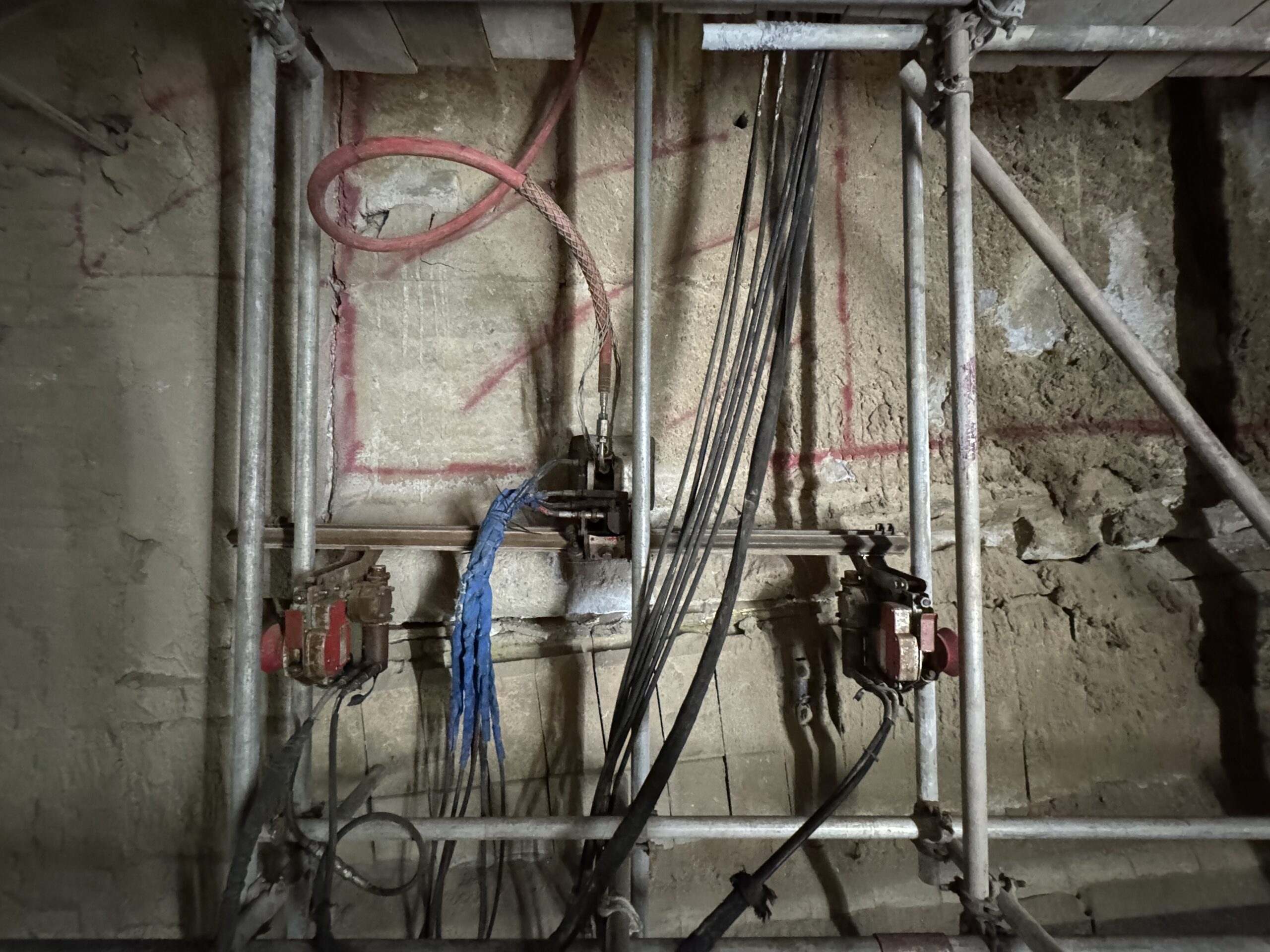
The primary removal was carried out using an Aquajet UHP powerpack operating at 2200 bar, paired with an Ergo frame robotic system. This setup allowed for consistent, high-performance removal while keeping operatives at a safe distance from the working area. Robotic hydrodemolition is particularly effective for refractory removal, as it delivers uniform results without introducing mechanical stress or vibration to the structure.
In addition to the robotic system, hand lancing was also carried out using a Hammelmann Aqua 14 UHP pump, operating at 2800 bar and 22 litres per minute. This provided the flexibility to access tighter or more detailed areas, ensuring a complete and thorough removal across the entire surface.
One of the key benefits of using UHP water jetting for refractory removal is its ability to remove material without damaging the underlying substrate. Unlike mechanical methods, which can introduce cracks or weaken structural components, water jetting delivers a precise cut that preserves the integrity of the base material.
This was particularly important on this project, where maintaining the condition of the structure beneath the refractory layer was essential. The combination of robotic precision and manual detailing ensured a clean finish, ready for the next phase of work.
Safety remains at the core of every Hydroblast project. By utilising remote-controlled robotic systems and minimising the need for direct operator exposure, the risks typically associated with high-pressure environments are significantly reduced.
The continuous shift pattern was carefully managed to maintain high standards of safety and performance throughout the duration of the works, ensuring both efficiency and operator wellbeing were prioritised.
This project highlights Hydroblast’s ability to plan, mobilise and execute complex refractory removal works within tight schedules. Through the use of advanced UHP equipment, experienced operatives and a commitment to safety, the team delivered a fast, effective and high-quality result.
For clients requiring reliable refractory removal or other specialist water jetting services, Hydroblast continues to provide a proven solution that combines performance, precision and professionalism.